Who will tell our story?
The Gaza-based filmmaker Ezzedine Shallah reflects on the endless sufferings of his people

DEIR AL-BALAH - In the early days of the war on Gaza—in a time that can only be described as genocide—I found myself trapped in emotions that defied language: disorientation, anxiety, fear, grief, and a pain so heavy it blurred reality itself.
Life became a haze, yet I knew, with painful clarity, that unimaginable days were approaching—days we would be forced to live through, whether we could comprehend them or not.
What haunted me was not only the question of how we would survive the coming days, nor even whether our extermination was inevitable. At times, it felt as though our annihilation was merely a matter of time. But alongside this fear grew another, equally devastating question—one born of my faith in cinema as memory, testimony, and resistance:
Who will tell our story?
Who will document our pain and expose the brutal face of occupation?
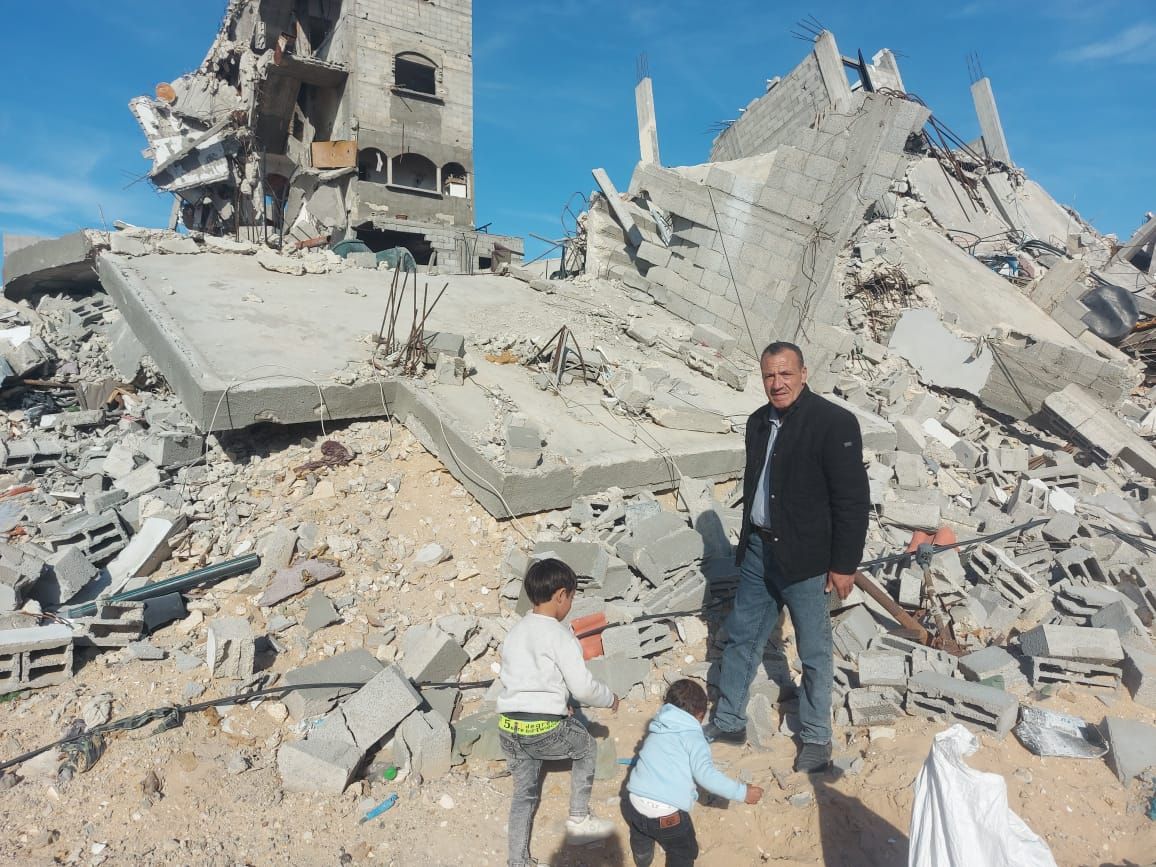
Who will create films that tell the stories of Alaa, Mohammed, Samia, Umm Al-Abd, and Haj Kamel? Each of them carried a life rich enough for a cinematic epic—stories capable of revealing crimes against humanity, stories that could shake the conscience of the world and challenge its silence.
I still remember the day I heard a bombing nearby. Moments later, screams echoed through our alley. At first, I could not identify their source, though I knew those voices intimately. That familiarity only deepened my terror. When I rushed outside, I saw people gathered in front of my brother’s house. Inside, grief had already arrived before me—cries, sobs, and a truth too heavy to absorb.
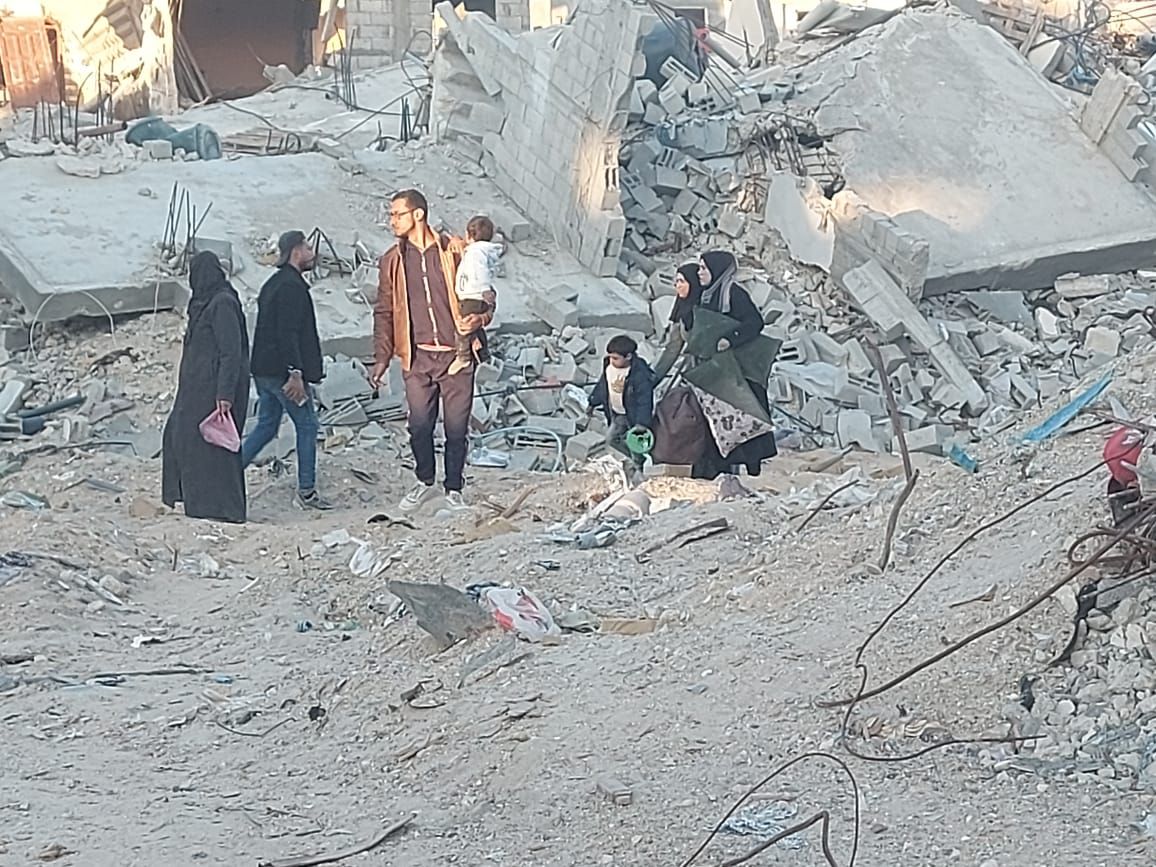
Alaa was thirty years old. His son Khaled was seven. Their bond went beyond fatherhood; it was a friendship. Alaa believed in building a different model of parenting—one rooted in respect and dialogue. He spoke to his son as an equal, carried him along on visits, and made him part of his world.
That day, father and son visited Mohammed’s home. Khaled later asked to go play at his uncle Osama’s nearby house. As he walked away, a bombing erupted. He turned instinctively toward the sound—only to see the house where his father and uncle stood reduced to rubble. No one else was inside.
Alaa was killed instantly. Mohammed was rushed to intensive care.
Alaa’s absence was incomprehensible. He was the laughter of the family, the one whose humor filled every room. They called him the fruit of the house—because life tasted sweeter when he was present.
Mohammed was different—quieter, more serious. Eight years of imprisonment had shaped him. He lost his youth behind bars, and when he was finally released, his family rushed to give him the life he had been denied. He married, became a father, and built a home filled with care—choosing colors for his children’s rooms, planning a future with tenderness and intention.
Because of his years in prison, everyone treated Mohammed with exceptional gentleness. He, in turn, revered his parents, knowing the suffering they endured visiting him in jail. He was known as the compassionate one. And so, day and night, prayers surrounded him as he lay in intensive care.
No one could visit him—the hospital lay in a zone of constant danger. News came only through a nurse who lived nearby. For weeks, we were told he was improving.
After twenty days, the truth arrived: Mohammed had been killed.
How could a father survive the loss of two sons within one month?
This was not only a war of extermination—it was a war of starvation. Bread became a dream. Hours of waiting for a single bundle felt like receiving a doctorate—except this joy was soaked in blood.
It was also a war of forced displacement. A phone call ordered me to evacuate my home in Rafah. We were “lucky” to be warned. Most homes were erased without notice, their inhabitants buried beneath furniture and stone. Forty years of labor could vanish in seconds. Dreams collapsed. Life stopped. And somehow, you were expected to begin again.
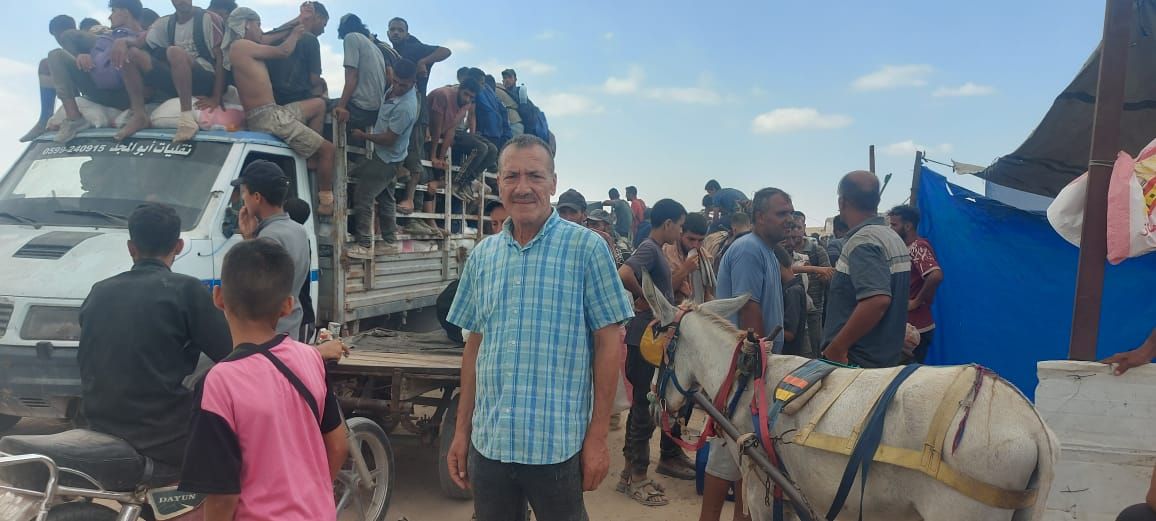
One night, in the Nuseirat refugee camp, my nephew prepared to sleep with his wife and four daughters as bombing surrounded them. There was nothing to do but wait—to be killed or spared by chance. His daughter asked to switch places with him, believing his spot was safer. He agreed.
Minutes later, the house was bombed. Two daughters were killed. He was injured. His wife and eldest daughter were burned beyond recognition.
“I live with unbearable guilt,” he told me. “Perhaps she chose to sacrifice herself for me.”
Only he and his youngest daughter survived.
Then came the third blow. My brother’s married daughter, Samia, and her eldest son were killed. Three children lost in three months.
Who has the strength to deliver such news?
Osama, their eldest brother, broke under the weight of loss—hitting his head against walls, calling their names in his sleep. Rania, the youngest sister, watched life drain from her face.
“A day without Alaa,” she says, “does not count as a day.”
Genocide does not end with death.Its deepest cruelty is inflicted on those who survive—those condemned to carry memory, guilt, and grief.
Yet we are a people who love life.
And despite everything, we believe that tomorrow—somehow—must be better.
Leave a Comment